
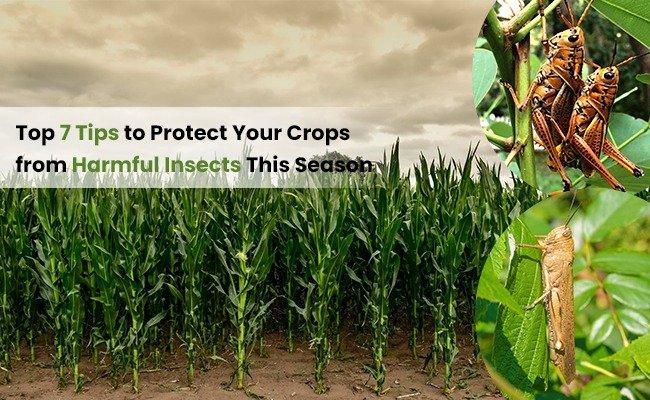
Top 7 Tips to Protect Your Crops from Harmful Insects This Season
Protecting crops from harmful insects is one of the most important steps in ensuring a good harvest. Whether you’re a farmer, agricultural dealer, or consultant, timely pest control can make a big difference in yield and quality. With changing weather patterns and new pest species emerging every season, farmers are now turning to safer, eco-friendly alternatives from trusted bio pesticide manufacturers. These natural pest control solutions not only protect your crops but also help maintain soil health and sustainability.
Best Time to Start Pest Control for Maximum Crop Safety
Timing plays a key role in pest management. Starting early is the best way to reduce the risk of severe infestations. Ideally, pest control measures should begin before the pest population reaches a damaging level.
- Pre-sowing stage: Apply bio pesticides to prepare the soil and eliminate hidden larvae or eggs.
- Vegetative stage: Monitor leaves and stems regularly to catch early signs of insect attack.
- Flowering & fruiting stage: Use organic or biological sprays to prevent pests from damaging produce.
- Post-harvest stage: Clean the field thoroughly to reduce carryover pests to the next season.
By following these timelines, farmers can protect crops throughout their lifecycle without overusing chemicals.
- Monitor Your Crops Regularly
Frequent field visits are essential. Insects like aphids, thrips, and whiteflies multiply rapidly, so early detection helps prevent severe outbreaks.
- Use yellow sticky traps for flying insects.
- Check the undersides of leaves, where most pests hide.
- Keep a weekly record of pest counts to spot patterns.
This proactive approach allows you to apply treatments only when necessary, saving both money and the environment.
- Choose Quality Products from Trusted Bio Pesticide Manufacturers
When selecting pest control solutions, always buy from reliable bio pesticide manufacturers. Quality bio pesticides contain beneficial microbes or natural compounds that target pests without harming the crops or soil.
Here’s what to check before purchasing:
- Label authenticity: Ensure the product is approved by agricultural authorities.
- Storage condition: Bio pesticides must be stored in cool, dry conditions to retain effectiveness.
- Local availability: Choose a supplier in your area (like Udaipur, Chittorgarh, or Bhilwara) for faster delivery and expert support.
Trusted brands like Shree Pesticides, known among leading bio pesticide manufacturers, ensure safe and sustainable crop protection.
- Maintain Field Hygiene
Cleanliness is the first line of defense. Weeds and leftover crop residues often host pests and diseases.
- Remove weeds regularly.
- Destroy infected plant parts instead of composting them.
- Clean equipment after every use to prevent pest transfer between fields.
Maintaining field hygiene can reduce pest pressure by up to 40%—a simple yet powerful habit.
- Rotate Crops and Use Trap Crops
Crop rotation breaks the life cycle of pests that rely on specific plants. For example:
- After growing cotton, switch to pulses or millets to prevent bollworm build-up.
- Use trap crops like marigold to attract and trap pests away from main crops.
By diversifying crops, you reduce pest population density and soil nutrient depletion simultaneously.
- Combine Bio Pesticides with Integrated Pest Management (IPM)
Integrated Pest Management (IPM) is a modern and scientific way of balancing crop protection and environmental safety.
Here’s how bio pesticides fit into IPM:
- Preventive care: Apply bio fertilizers and bio pesticides during early crop stages.
- Cultural practices: Use resistant crop varieties and proper irrigation.
- Mechanical control: Use pheromone traps and light traps.
Combining these methods minimizes chemical dependency while maintaining yield. Many farmers in Rajasthan have adopted IPM strategies with the help of bio pesticide manufacturers like Shree Pesticides to achieve better crop results.
- Follow Proper Application Techniques
Even the best pesticide won’t work effectively if applied incorrectly. Always read the label and follow dosage instructions.
- Use clean water and calibrated sprayers.
- Spray in the early morning or late evening to prevent evaporation.
- Avoid spraying before rainfall.
Proper application ensures that bio pesticides reach target areas efficiently and remain effective for longer periods.
Frequently Asked Questions (FAQs)
Q1. What are bio pesticides, and how do they work?
Bio pesticides are natural pest control products derived from plants, bacteria, or minerals. They target specific pests while leaving beneficial insects unharmed.
Q2. Why should farmers switch to bio pesticides?
They are safe, residue-free, and effective against a wide range of pests. Plus, bio pesticides improve soil quality and are ideal for organic farming.
Q3. When is the best time to apply bio pesticides?
The best time is during the early stages of pest appearance or as a preventive measure before infestation increases.
Q4. How can I find reliable bio pesticide manufacturers near me?
Look for certified manufacturers like Shree Pesticides, a trusted name among bio pesticide manufacturers in Udaipur, known for quality and on-time delivery.
Q5. Can bio pesticides be used with chemical pesticides?
Yes, but it’s best to consult an agricultural expert. In most cases, alternating between bio and chemical pesticides ensures balanced pest control and prevents resistance.
Conclusion
Protecting your crops from harmful insects doesn’t always require harsh chemicals. With timely monitoring, good field hygiene, and products from reputed bio pesticide manufacturers, you can maintain healthy crops and high yields throughout the season. Farmers across Rajasthan are already embracing eco-friendly farming, and Shree Pesticides is proud to support them with high-quality bio pesticides and expert guidance.
Protect your crops naturally — choose Shree Pesticides, your trusted partner in sustainable agriculture.